Why adaptability and continuous learning are key
I wrote this article and it was first published on the Musicians Union website in December 2024.
My career as a self-employed musician began in Newcastle, in 1990 after having successfully completed a music degree, which followed on from O level and A level music at school, and piano lessons which began at the age of 8. When I was a teenager, I became obsessed with music and in the absence of any other subject with a pull that matched the intensity of the passion I felt, I fell into, studying further and contemplating “doing something” in music as a possible future job. I thought it would be cool – and in lots of ways I was right, but the point of this article is to tell the truth about some of the highs and lows and less talked about aspects of a career in music. It is cool but it’s not easy.
Anyway, back to the story, I’m sure it’s a common question but in 1990 I was asking myself “What do you actually do if you have a music degree?”
Well, the answer began with enrolling onto the now infamous and for the time, radical, government funding programme for those wishing to become self-employed – the Enterprise Allowance Scheme. There are so many creative people of a similar age to me, I’m 54, who I have met who, like me, attribute the beginning of their careers to this visionary initiative (£40 per week over two years, almost no questions asked!) which bought time and space to dream and to plan and develop a business. I began teaching private piano lessons to some of the kids in the neighbourhood, something which I have loved doing and continue to do today. Between then and now I have also fulfilled the stereotype of building a ‘portfolio’ music career.
Roles over the years have included: private piano teacher, band member, songwriter, gig booker, band leader, wedding pianist, accompanist, session musician, college lecturer, recording engineer, studio owner, media composer (more than 150 projects writing for shorts, animations, feature films, TV projects and music libraries) gig promoter, producer, founder of a composer network and now self-releasing solo artist and founder and promoter of a concert series.
At all times during this period I have encountered challenges, any one of which could have led me to deciding that I would be better off jacking it in and ‘getting a proper job’. I must insert here that I have been very lucky and without the support of my family and friends and particularly the support I have received from my wife, my career, such as it is, would not have been possible. I am immensely grateful to all that have helped me out along the way.
Sustaining a long-term music career is far from easy, and the challenges that arise are as varied as they are daunting. It also true to say that these challenges never go away – even after 34 years they are still ever present. Financial instability is a constant companion, especially in the early years when income from gigs, teaching, or projects can be sporadic at best. The fear of creative burnout looms large, as the pressure to continuously produce new work can drain the very passion that drew you to music in the first place. Rejection and criticism are unavoidable, whether it’s a gig that doesn’t materialize, a submission that gets turned down, or a scathing review that cuts deep. The competition is fierce, with countless talented individuals all vying for the same opportunities, making it difficult to stand out and secure steady work.
And then there’s the challenge of keeping pace with evolving technology. The rapid changes in music software, distribution platforms, and social media can feel overwhelming, requiring constant learning just to stay relevant. This, coupled with the physical and mental toll of the job—long hours, irregular schedules, and the risk of injury from repetitive strain—can push both your body and mind to their limits. The industry itself is unpredictable, with shifts in musical trends and market demands often rendering once-popular skills or styles obsolete, forcing you to adapt or risk being left behind. Balancing this demanding career with a personal life adds another layer of difficulty, as the irregular hours and frequent travel can strain relationships and lead to a work-life imbalance. And amidst all this, the task of building and maintaining a professional network is crucial but challenging. The reality is that uncertainty is part and parcel of the job, and learning to live with that uncertainty is key to long-term survival.
At the start no-one tells you about the skills and qualities that will be essential. These skills and qualities tend to only make themselves known to you once you say yes to a project. You might think that being good enough on your instrument is all that should be required. But this is just the beginning. No-one mentioned to me that I would need to know about CC midi automation set up in Cubase or the difference between ad sets and ads in Facebook advertising or the dedication needed to learn about video editing, making meaningful use of the stats on Spotify for Artists or copywriting to optimise the marketing and promotion of gig. Ancillary skills and the willingness to develop them are essential for sustaining a career.
From my experience there are number of qualities that are needed at different times. This is not meant to be an exhaustive list but for most people these may include…
1. Passion: A deep love for music and creativity that fuels your dedication to continually improve and explore new avenues in your career.
2. Resilience: The ability to bounce back from setbacks, whether it’s a challenging project, a tough gig, or the ups and downs of the music industry.
3. Perseverance: Sticking with your goals and projects, even when things get tough, and consistently putting in the work to achieve long-term success.
4. Flexibility: Being adaptable to change, whether it’s shifting musical trends, new technologies, or different roles and responsibilities in your career.
5. Curiosity: A willingness to learn and explore new ideas, genres, and technologies, keeping your work fresh and relevant.
6. Creativity: The ability to think outside the box, finding unique solutions to problems and bringing original ideas to your compositions, performances, and projects.
7. Empathy: Understanding and relating to others, whether it’s students, collaborators, or audiences, which helps in teaching, leading, and creating meaningful music.
8. Self-Motivation: The drive to set and achieve your own goals, especially when working independently as a solo artist, composer, or business owner.
9. Patience: Taking the time to develop your craft, build relationships, and navigate the often-slow-moving aspects of the industry.
10. Vision: A clear sense of direction and purpose in your career, allowing you to make strategic decisions and keep moving forward in your creative and professional journey.
Amidst the challenges, there is immense joy in a music career. The pure thrill of creative expression – bringing your ideas to life and sharing emotions through music – is unparalleled. There’s a deep satisfaction in connecting with audiences during live performances, feeling their energy, and knowing your music resonates with them. Collaborating with other musicians brings a unique pleasure, as you share ideas and create something special together. The camaraderie of the band environment is unique and has led to lifelong friendships. The fulfilment of pursuing your passion and witnessing your hard work come to fruition is profoundly rewarding. And, of course, the excitement of lifelong learning, as you continue to explore new skills and genres, keeps the journey fresh and invigorating.
In reflecting on my journey, it’s clear that a music career requires far more than just musical talent. It demands a blend of resilience, adaptability, and continuous learning, coupled with a deep-seated passion for the craft. The path is not always straightforward, and the challenges can be numerous, but with the right skills, qualities, and support, it can be possible to carve out a fulfilling and sustainable career in music. It’s a journey of constant growth, where every experience—both the highs and the lows—contributes to shaping not just your career, but your identity as a musician.
About Steve Luck
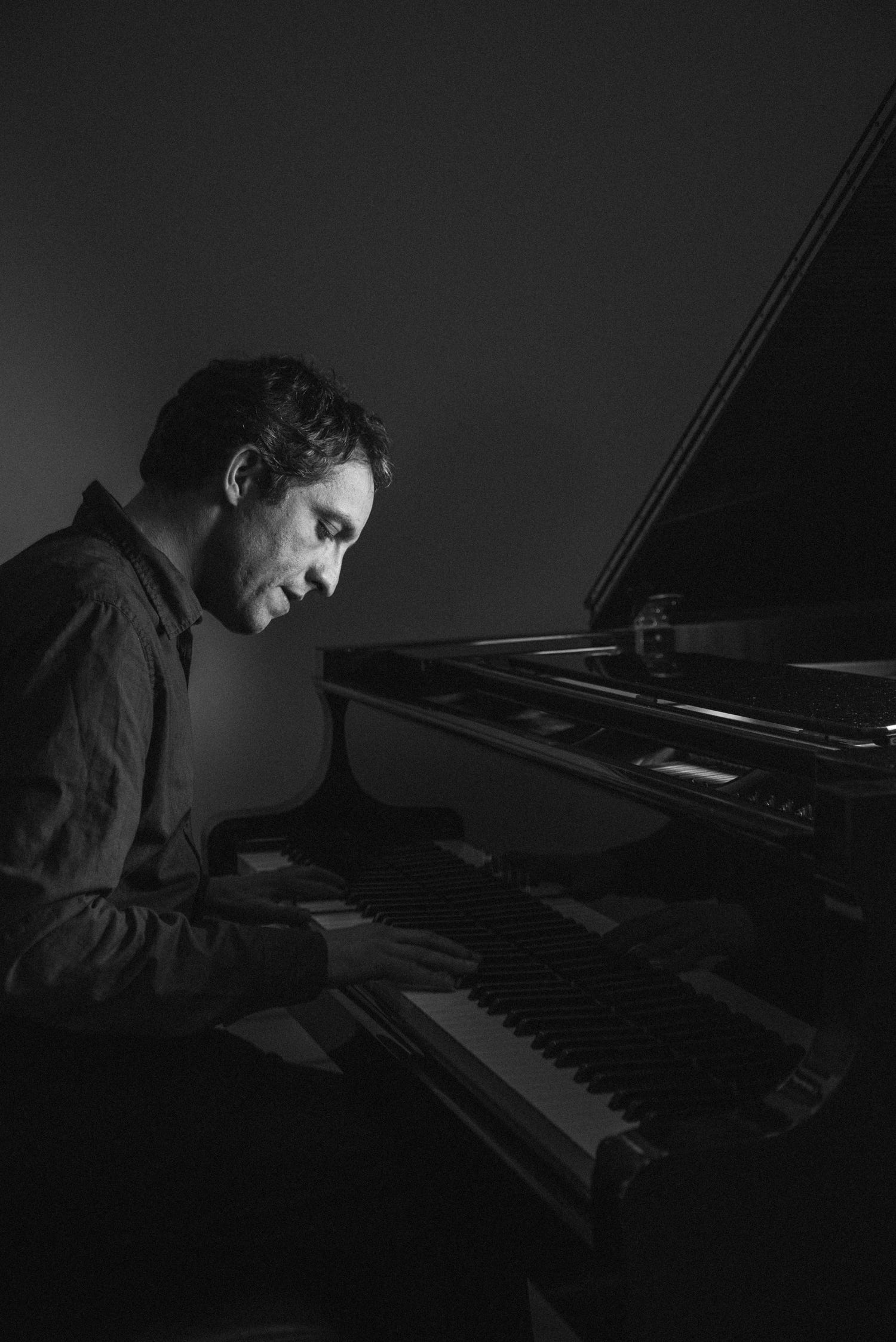
Steve Luck is an experienced and award-winning composer and pianist hailing from Newcastle upon Tyne in the UK. He has enchanted live audiences with his introspective and emotive compositions. As a media composer Steve has worked on more than one hundred and fifty projects. In 2007 he won two awards from the Royal Television Society for Professional Excellence in Music. His work with production music libraries results in regular use of his music on TV shows across the world. Steve’s modern classical piano miniatures explore the delicate interplay between melancholy and hope, forming an engaging body of work which is both contemplative and uplifting. His pieces have featured on several large Spotify playlists and garnered more than three million streams. In addition to his work as a recording artist and composer, Steve is also active within the music community. He has been a member of the music writers committee of the Musicians Union since 2015, advocating on behalf of music creators and he is also the founder of the Guild of Northern Media Composers. He believes that music has the power to bring people together and is committed to using his talents to create a positive impact. Be sure to follow him on Spotify and/or social media and stay tuned for upcoming releases and live performances.
Links
Website www.steveluck.com
Spotify https://open.spotify.com/embed/artist/6bXZK7BisCDBBGp7D0d54i
Facebook https://www.facebook.com/steveluckmusic
Instagram https://www.instagram.com/steveluckmusic/
You Tube https://www.youtube.com/@SteveLuck
Tik Tok https://www.tiktok.com/@steveluckmusic